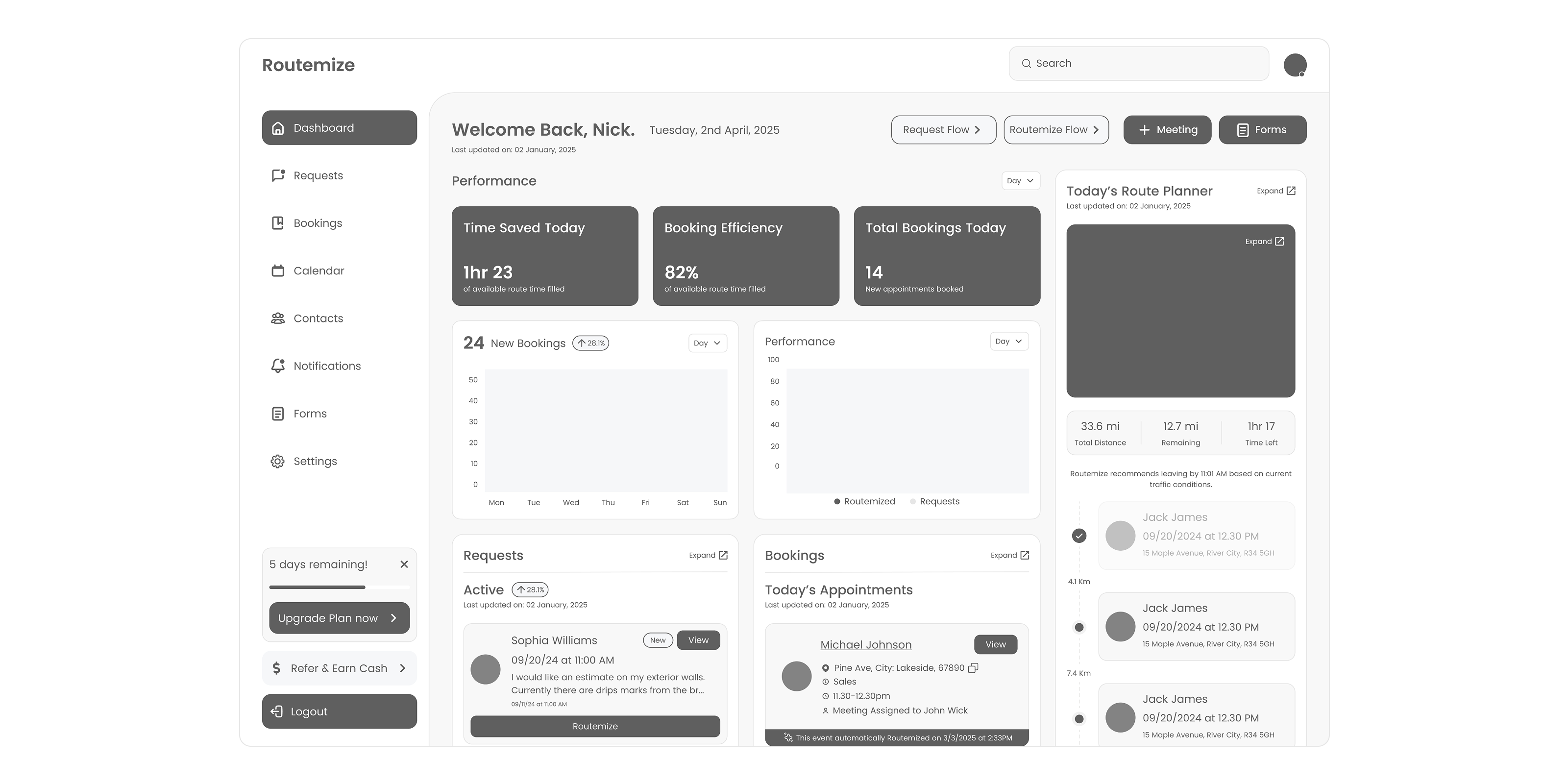
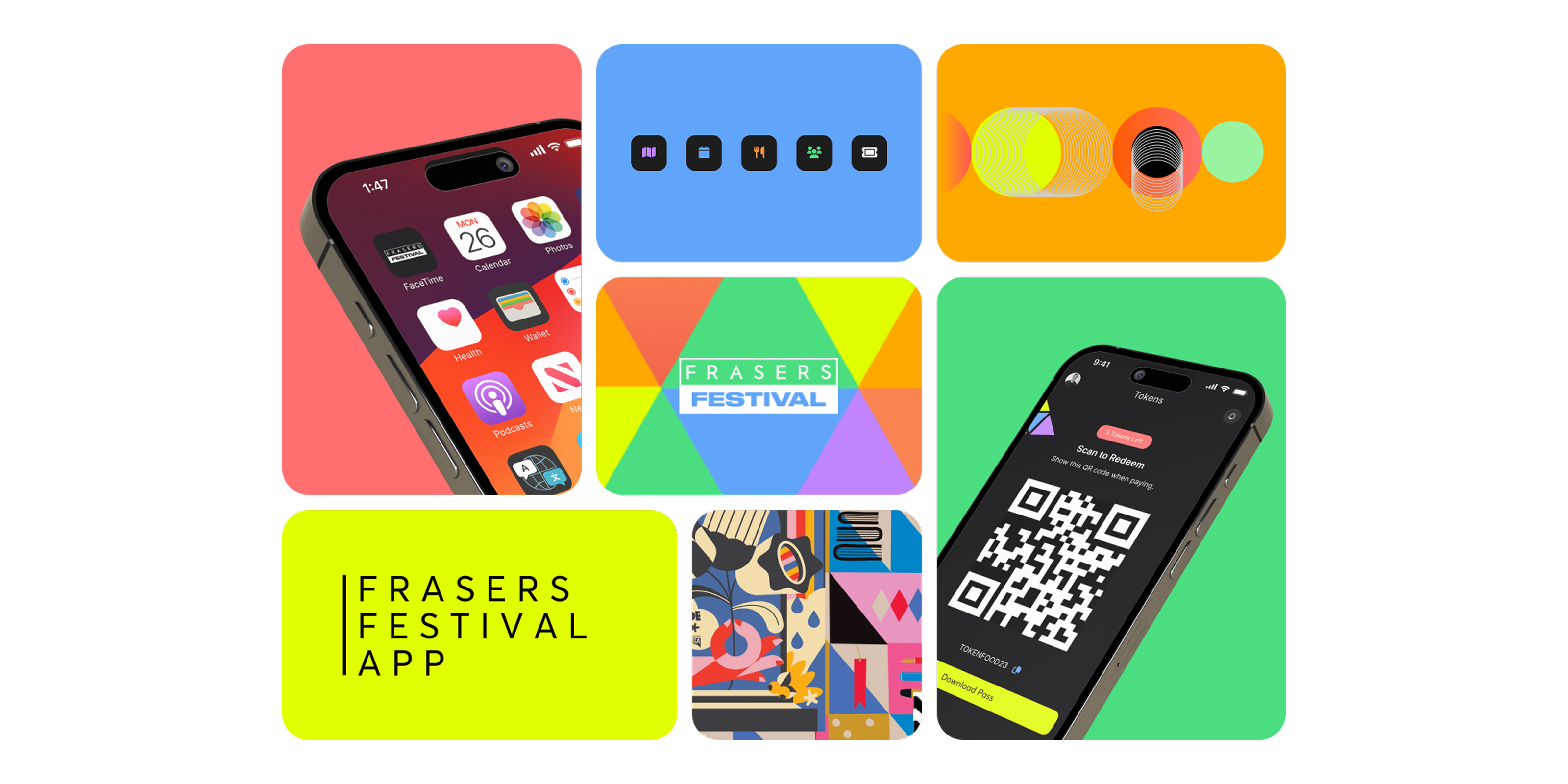
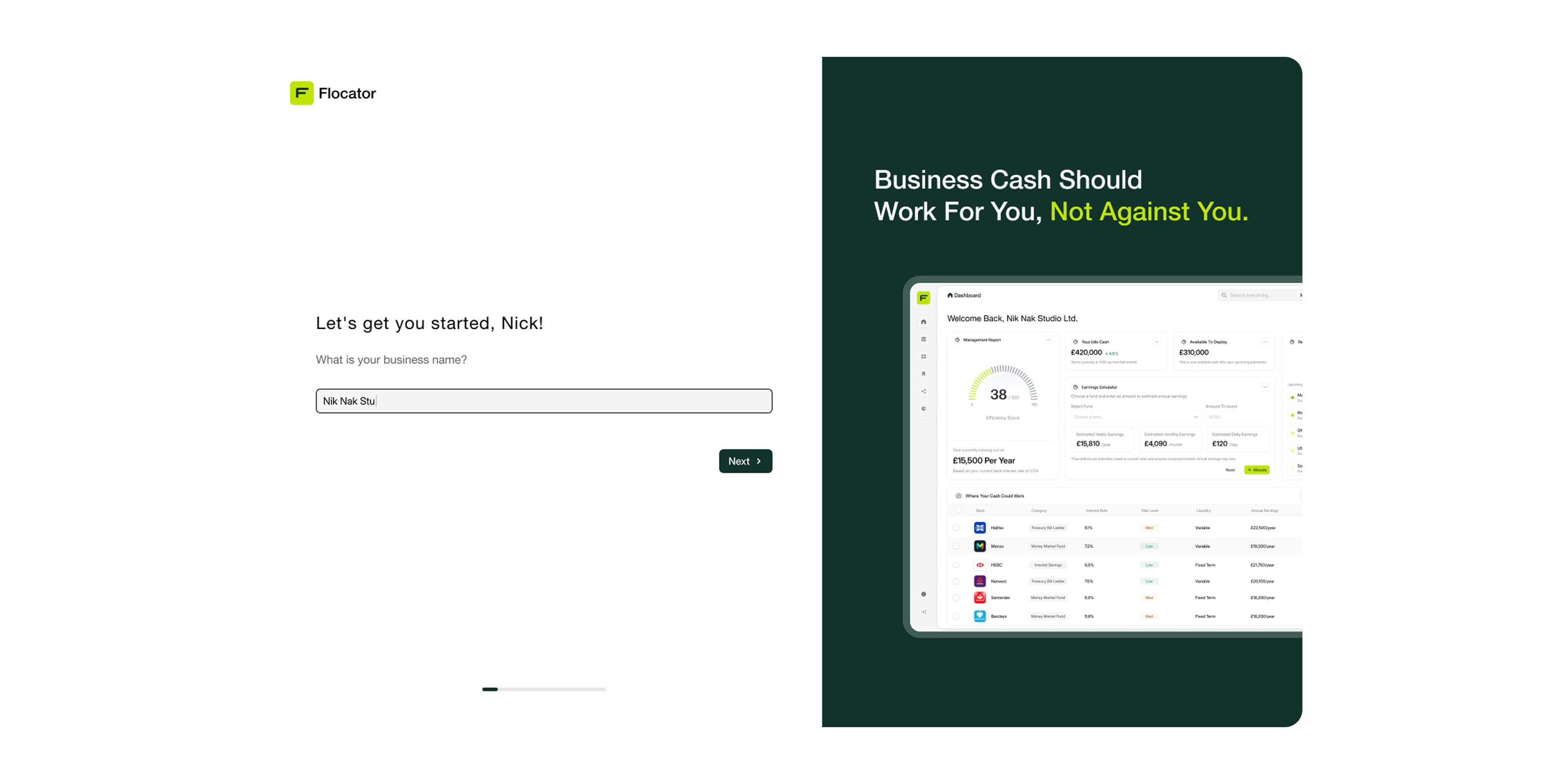
This isn't a slide deck or a list of buzzwords. It's how I actually work — from the first conversation to long after the product ships. Every project is different, but the thinking underneath is always the same.
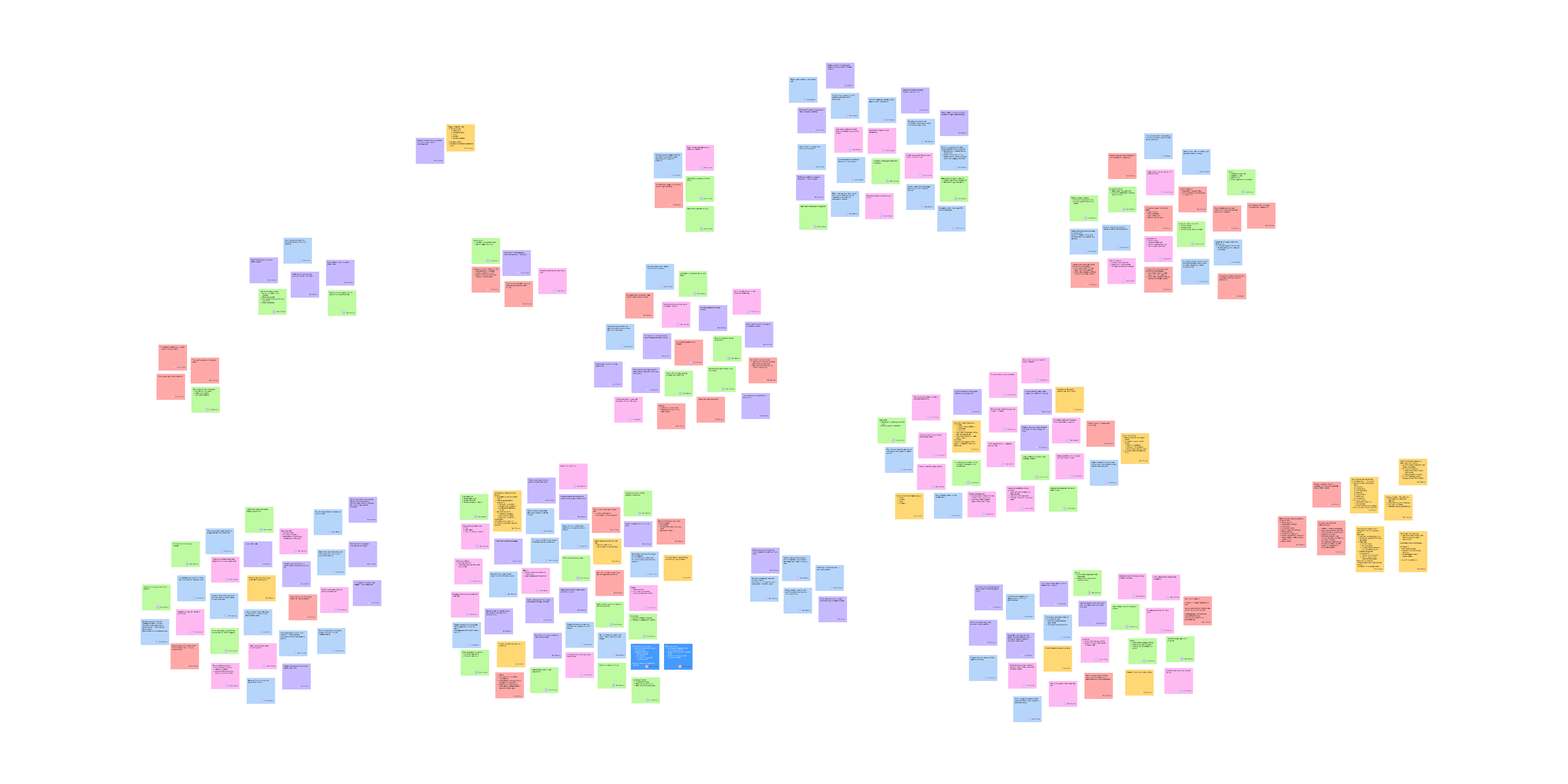
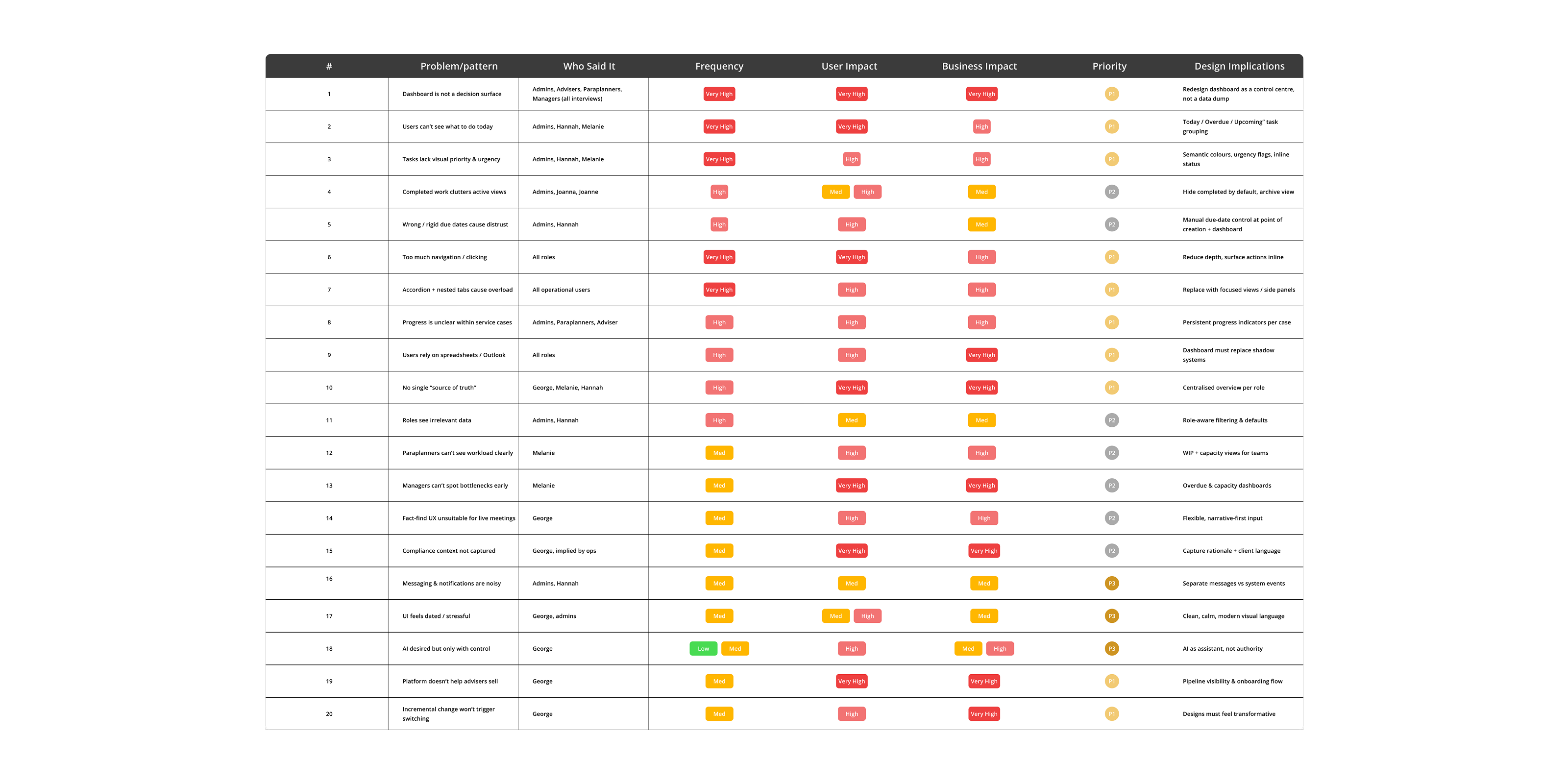
Every project starts here — and most that go wrong skip this part. I spend the first stretch of any engagement doing one thing: understanding the world the product lives in. That means talking to users, digging into data, interviewing stakeholders, and mapping the competitive landscape.
What I'm looking for isn't just what people say they want. It's the gap between what they say and what they actually do. That gap is usually where the real design problem hides.
"Most briefs are solving the wrong problem. Discovery is how you find the right one."
I've never regretted spending more time here.
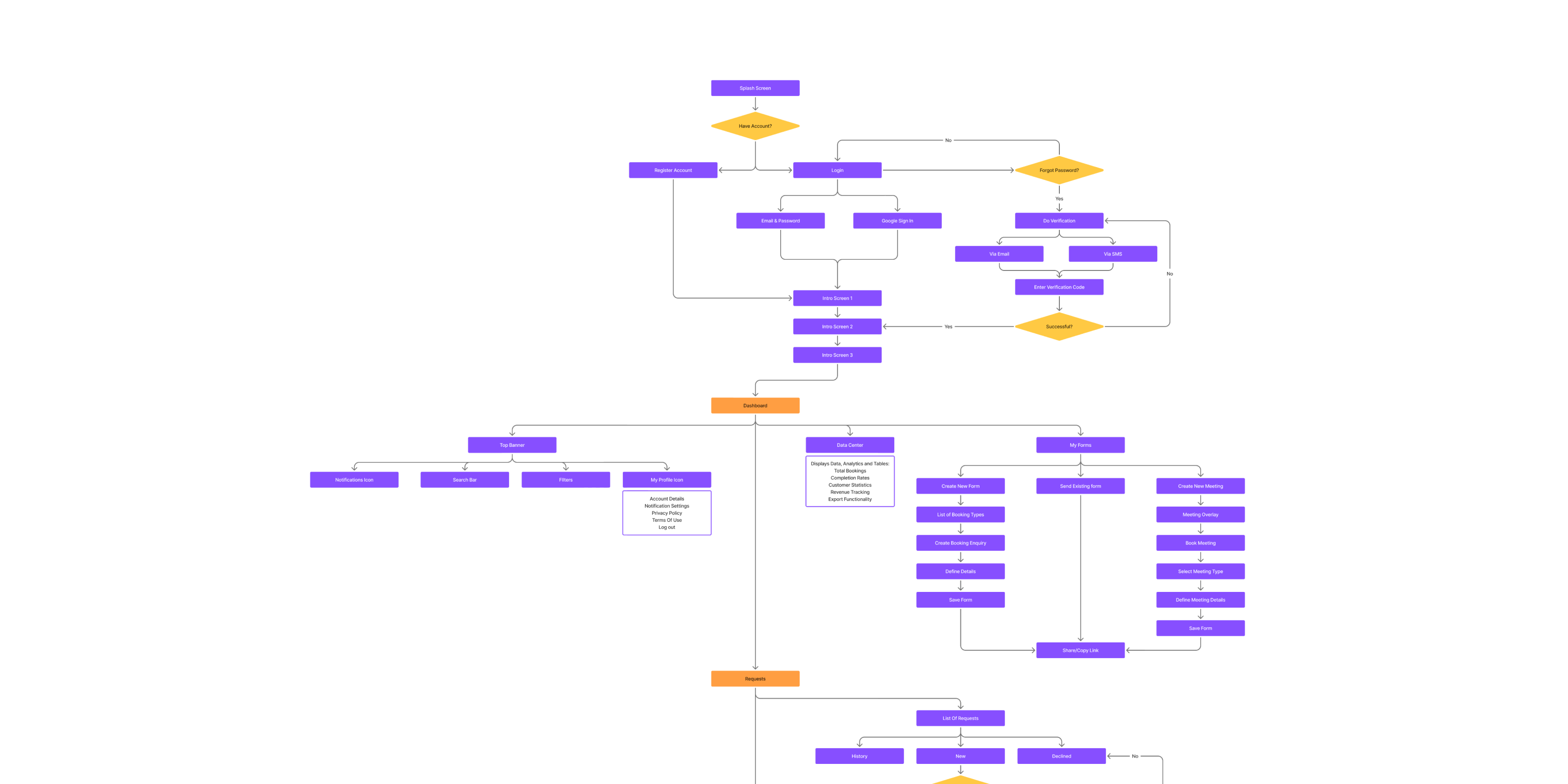
Once I've done the research, I step back and reframe everything into a clear problem statement. This is where I define what success looks like, who we're designing for, and what the product needs to do — before it touches what it needs to look like.
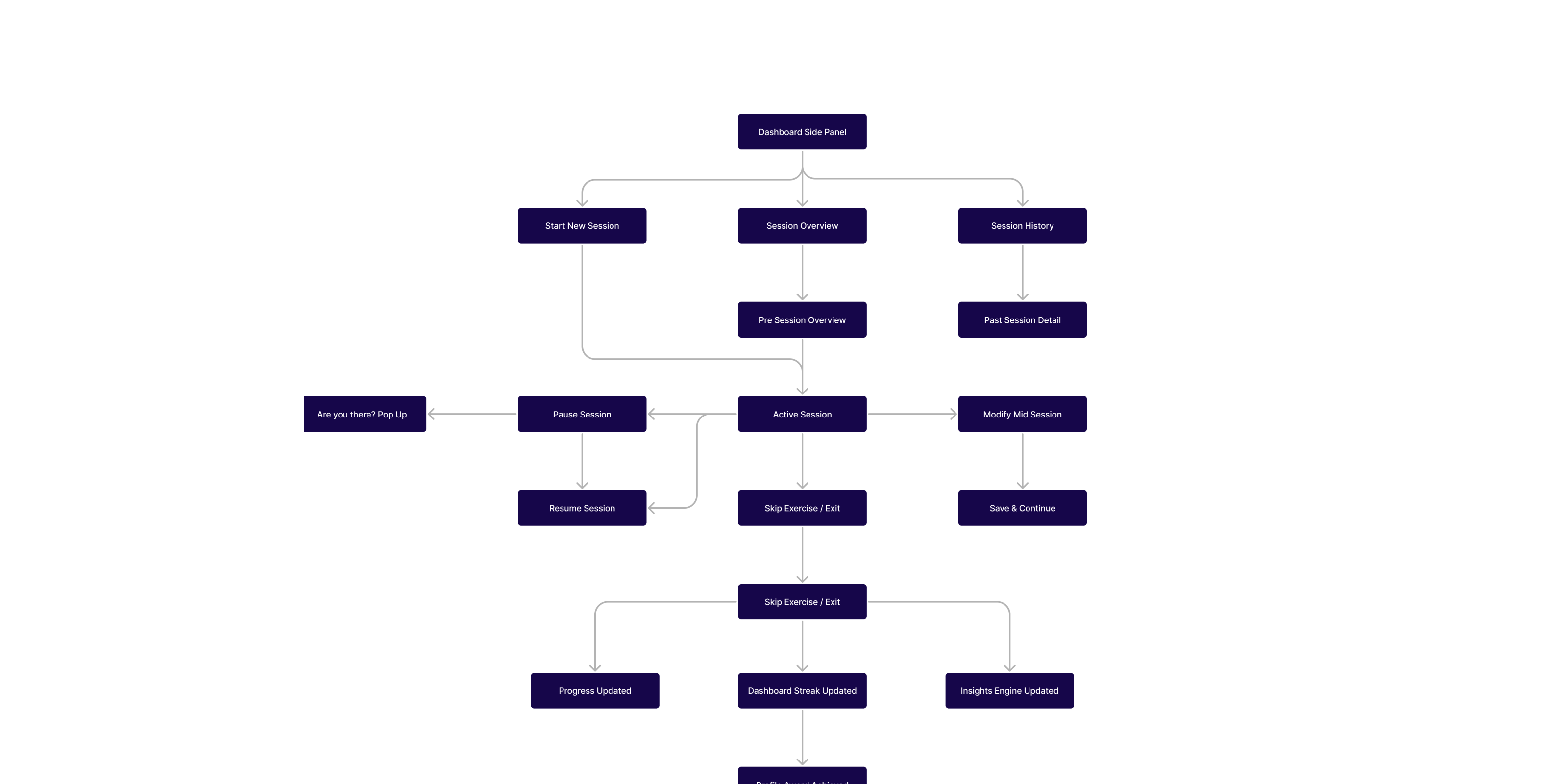
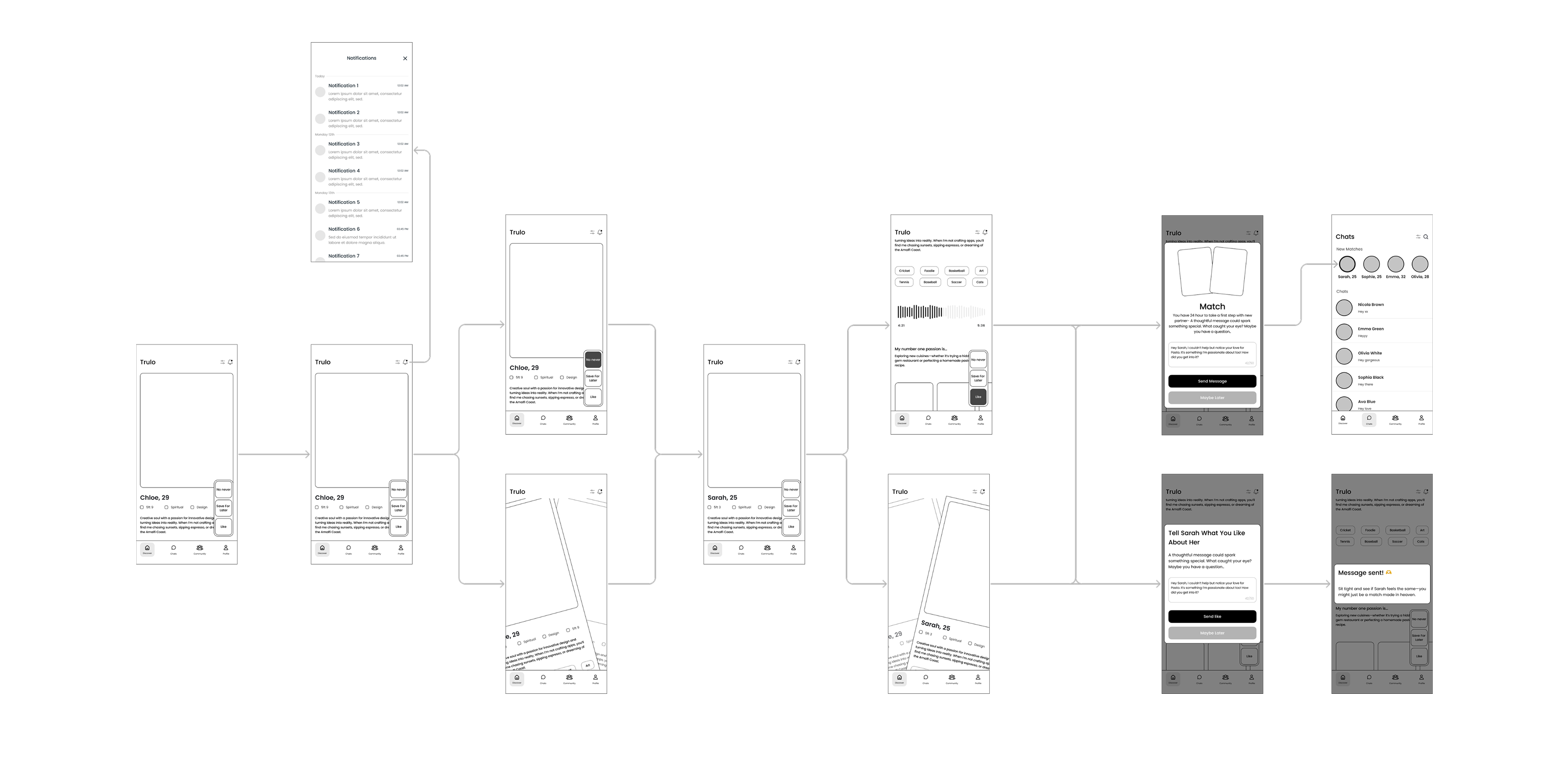
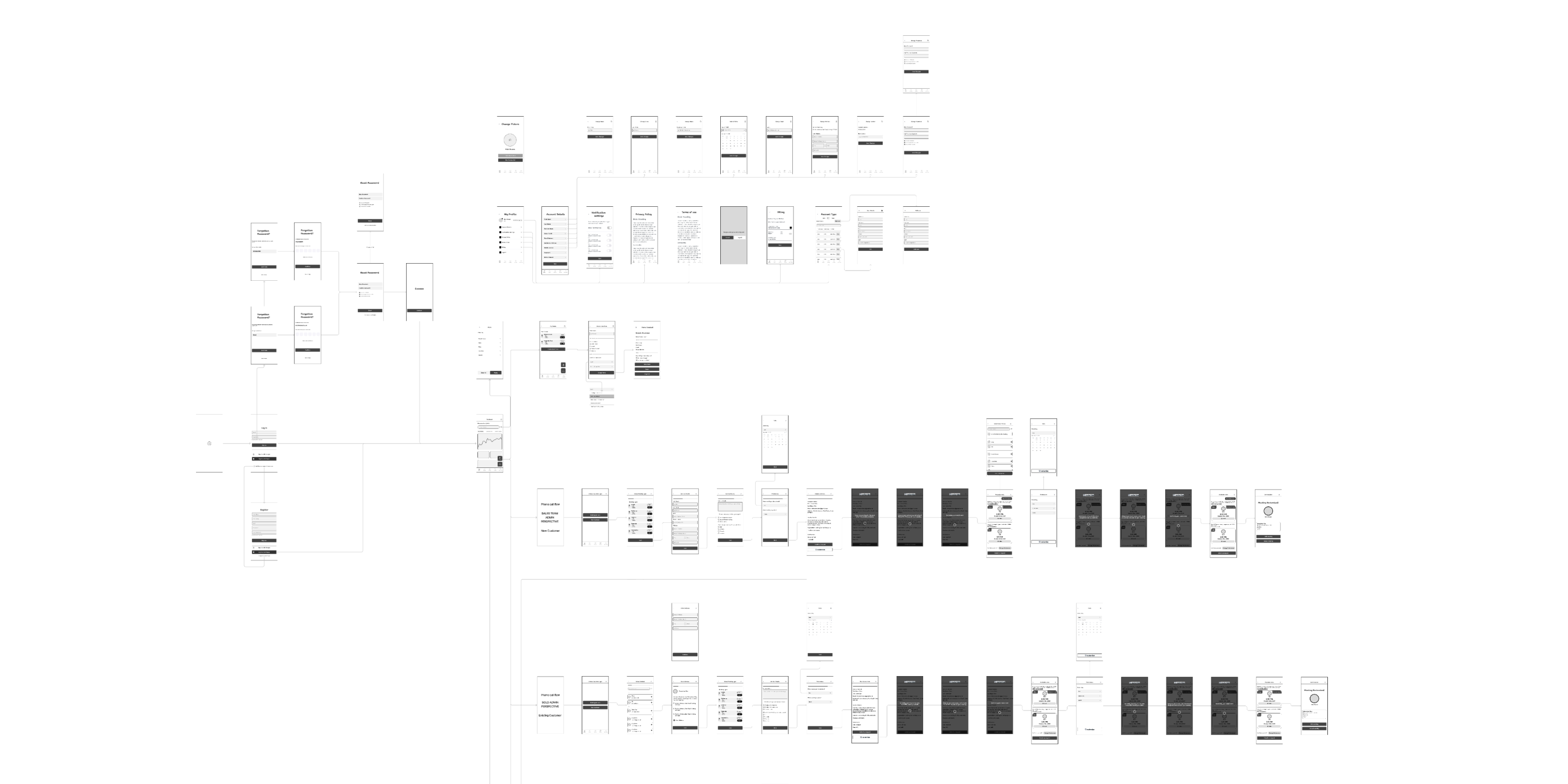
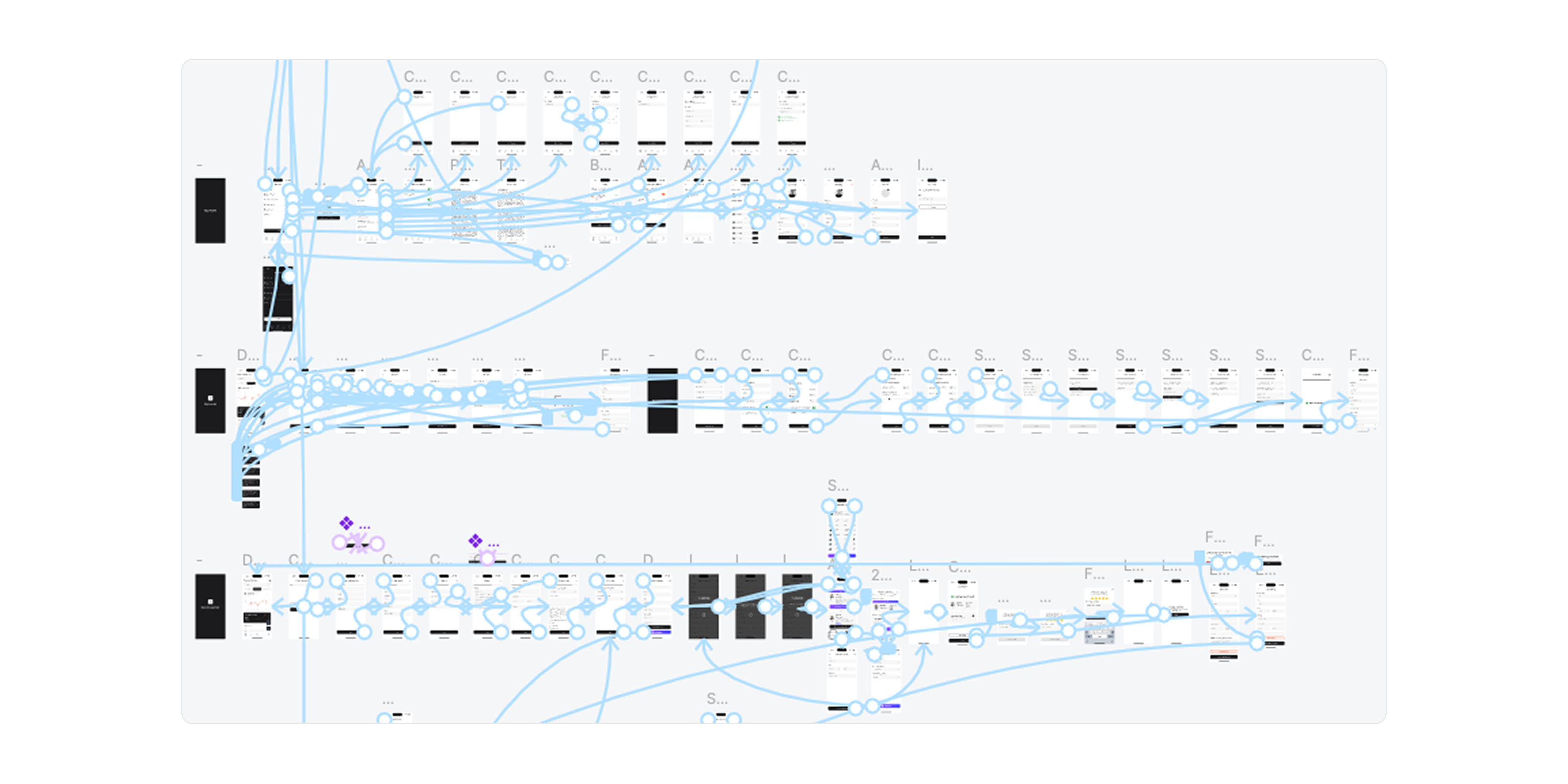
I map user flows, define information architecture, set measurable goals, and align with the wider team. If engineering and product aren't bought into the direction here, no amount of great design will save it later.
"If you can't explain the problem in one sentence, you don't understand it well enough yet."
This phase is invisible to most people. That's why it's undervalued — and why it makes the biggest difference.
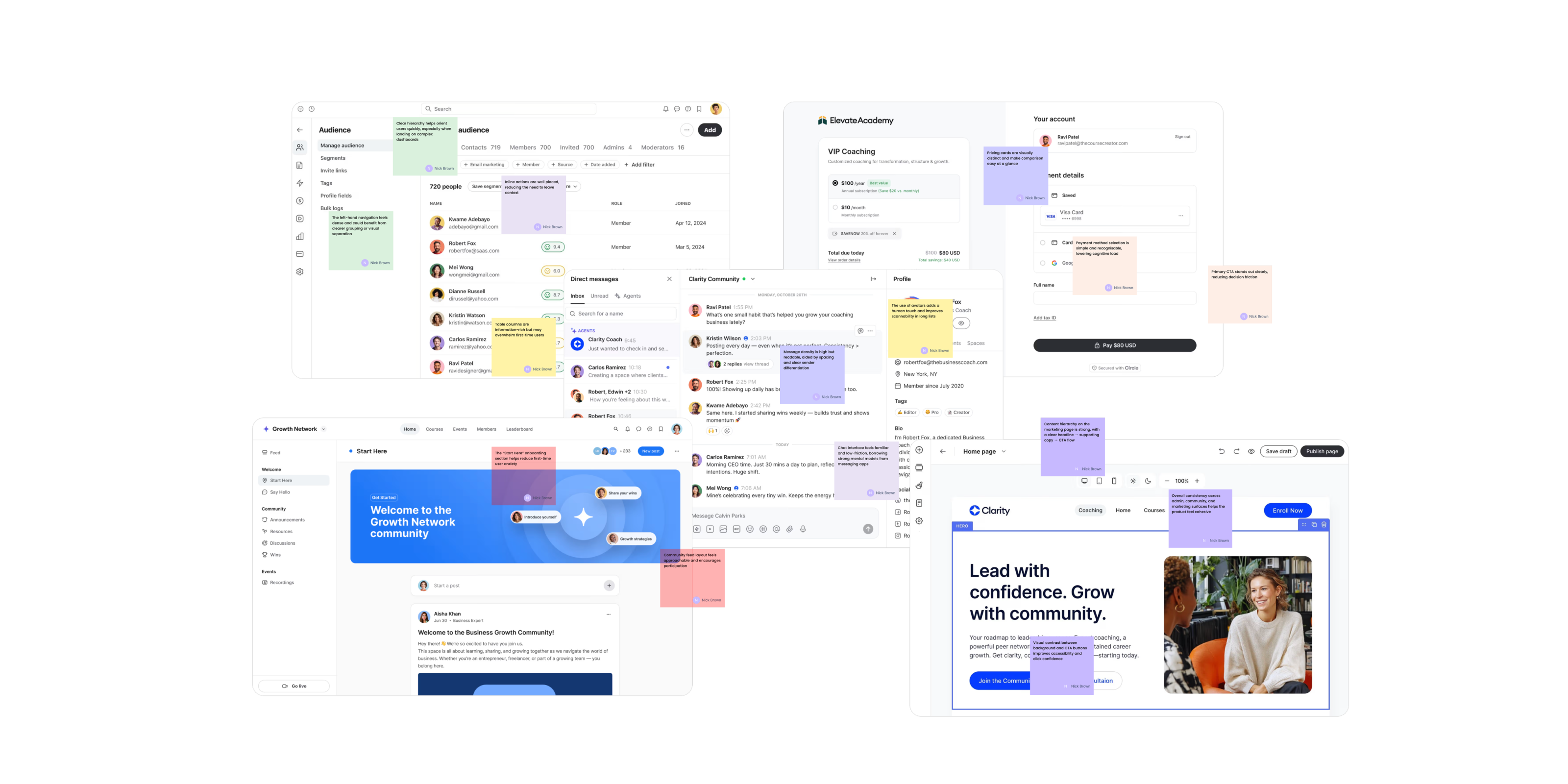
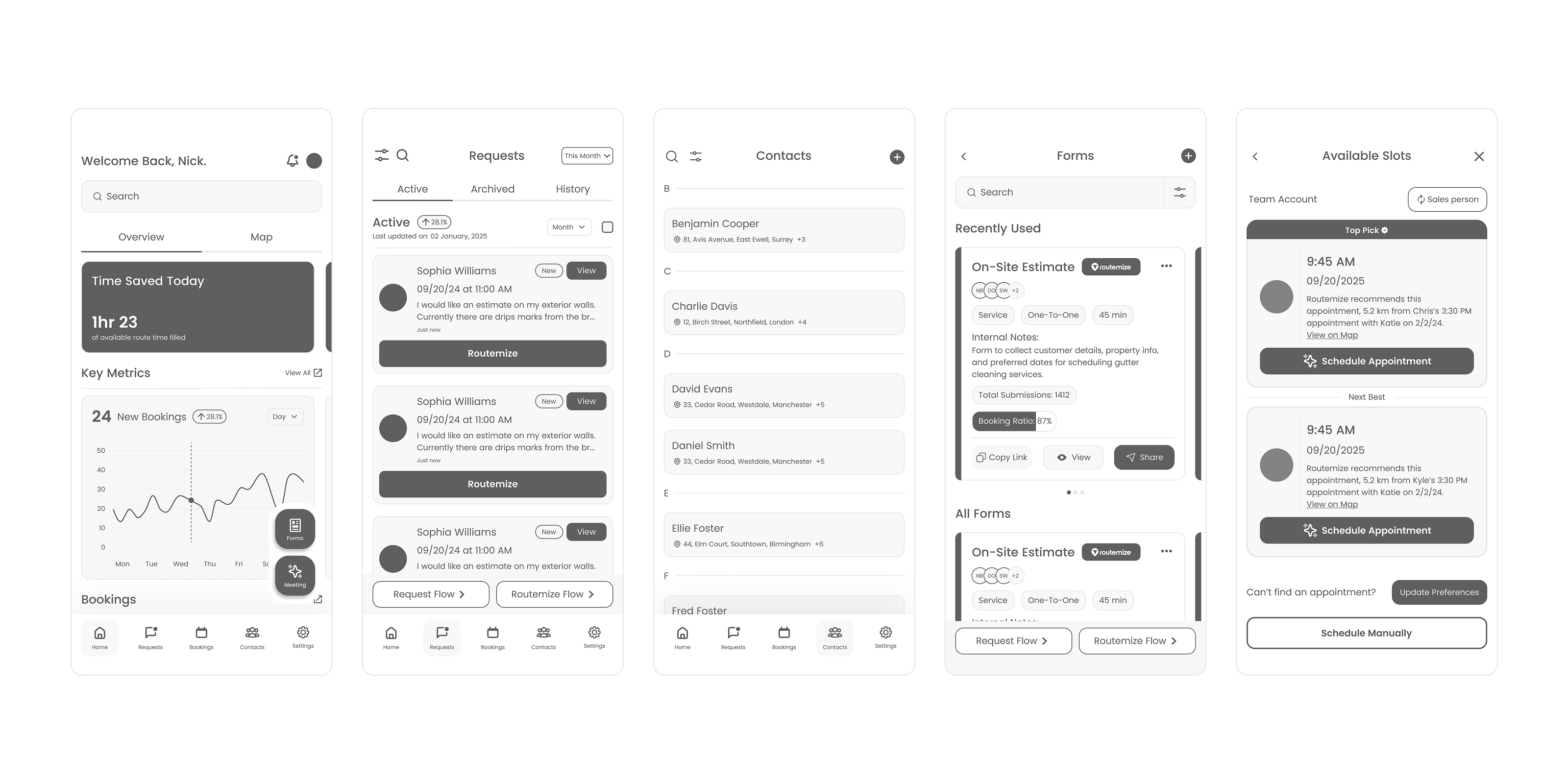
This is where things get visible. I start broad — exploring multiple directions quickly — before narrowing down. I use AI to accelerate this part of the process. What used to take days of exploration now takes hours. That means more ideas tested, more directions killed early, and more time spent on the details that actually matter.
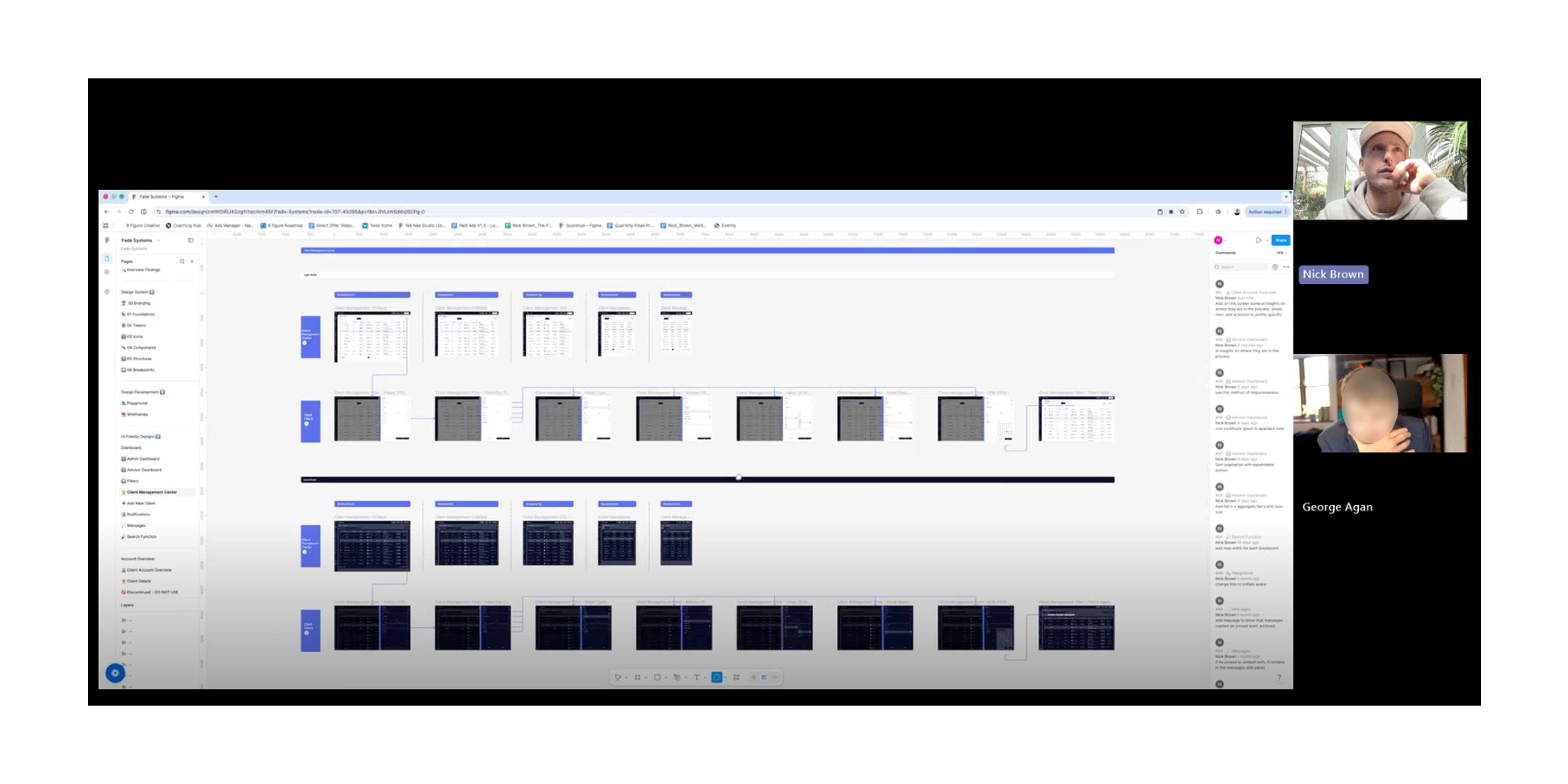
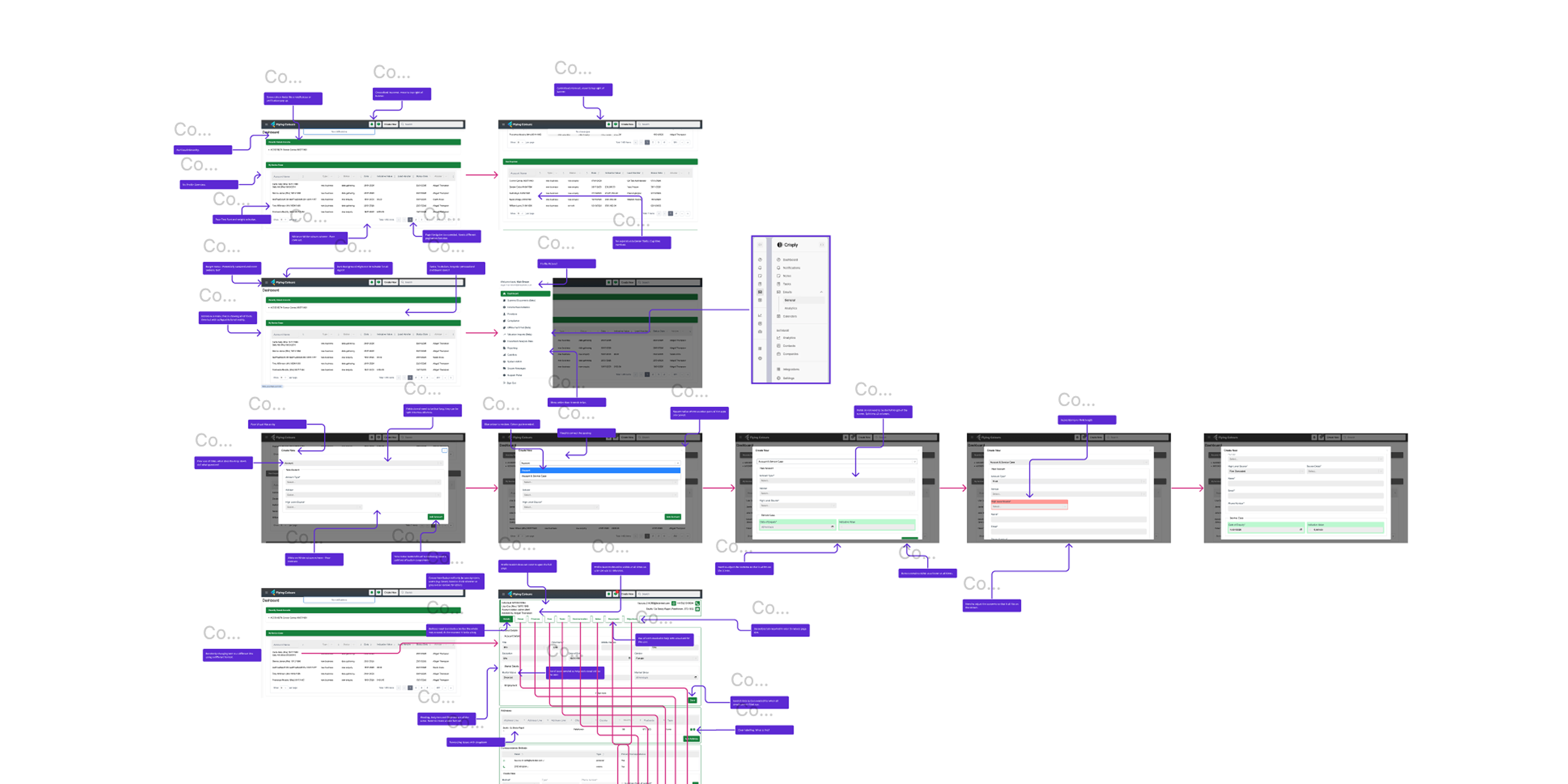
Before high-fidelity work begins, I establish or extend a design system — foundations first (colour, type, spacing, elevation), then components, then patterns. Everything built from here sits on top of it. It's what keeps the product consistent and makes handoff to engineering reliable.
From wireframes to high-fidelity, I work in tight feedback loops with the product and engineering teams. Nothing goes into a vacuum. Everything gets challenged.
"AI lets me explore 10 directions in the time it used to take to do 2. That changes everything."
The best design decisions look obvious in hindsight. Getting there isn't.
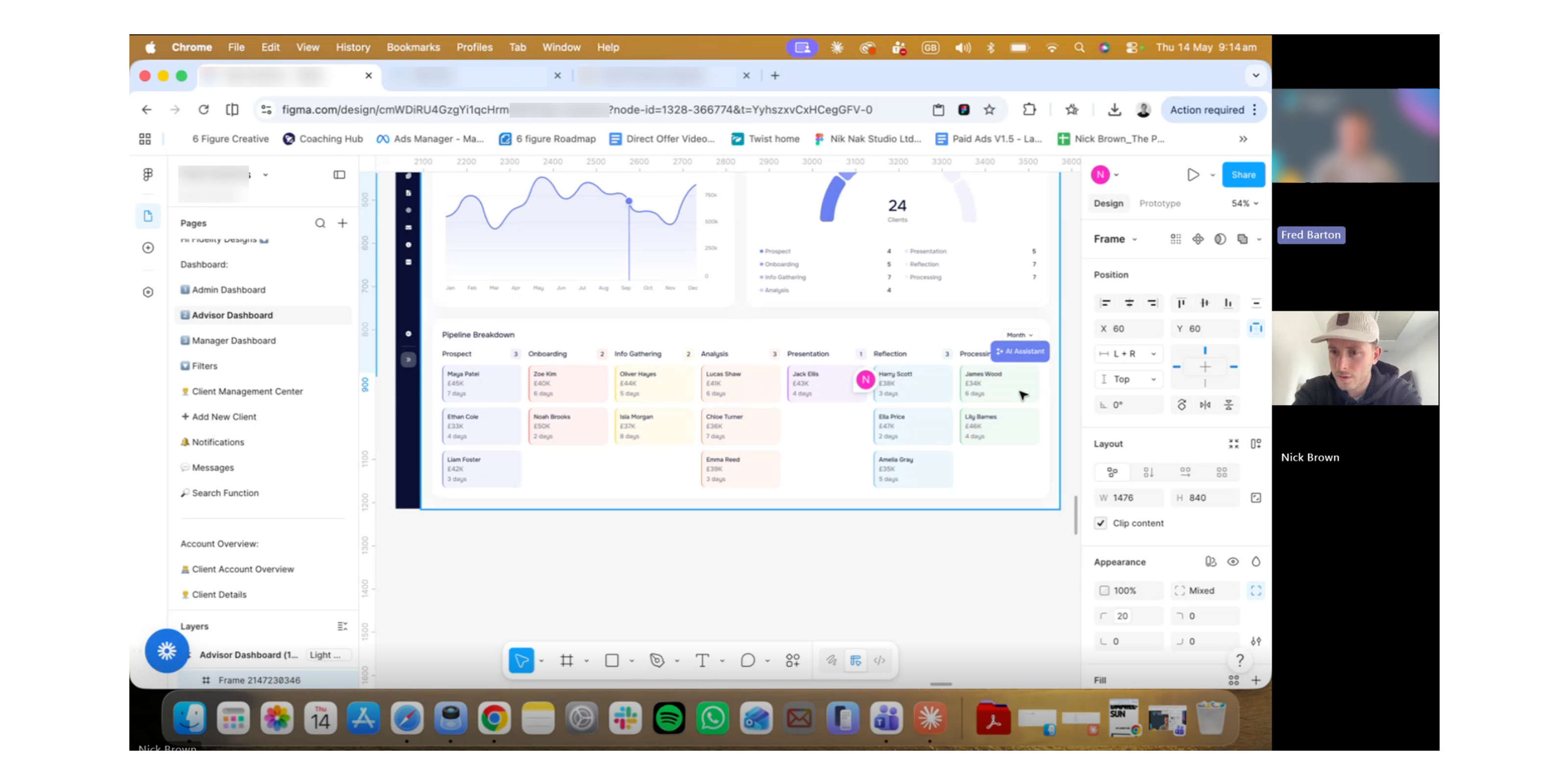
Most design processes treat handoff as the end. I treat it as a transition. I stay closely involved with engineering through build — answering questions, QA-ing implementation, and protecting the intent of the design as it moves from Figma into code.
I write clear specs. I annotate edge cases. I flag the decisions that matter and explain why they were made. A good handoff means fewer surprises in production — and a product that actually ships looking like it was designed.
"I stay involved until it ships. A design that looks great in Figma but breaks in production is a failed design."
The gap between design intent and final build is where quality dies. I close that gap.
Launch day is not the end of the story. It's the first time you get real data from real users in a real environment. Everything before launch is a hypothesis. Everything after it is evidence.
I monitor analytics, review session recordings, gather qualitative feedback and feed it all back into the next iteration. The product should get better every month — not just when there's a major release. That's how good products become great ones.
"Every data point after launch is gold. Most teams don't look at it closely enough."
This phase is what separates products people love from ones they tolerate.